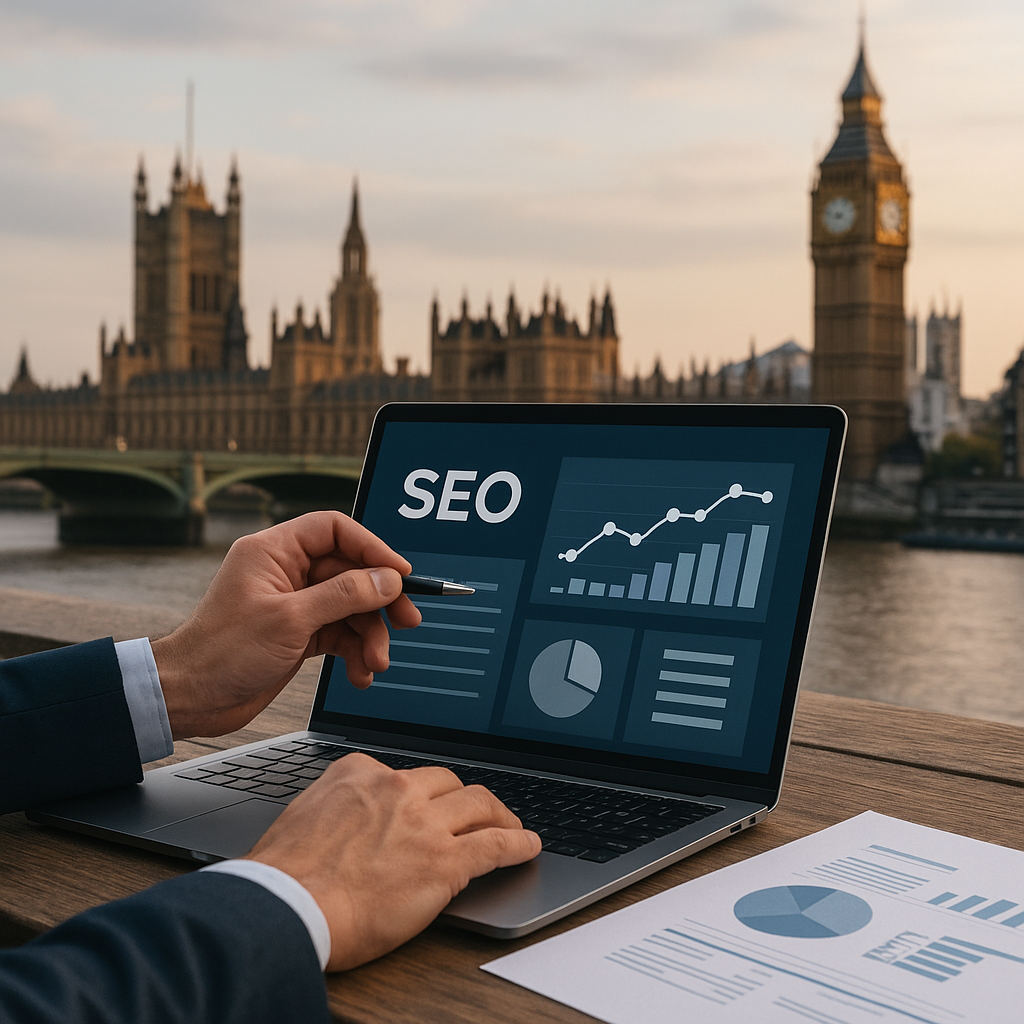
The dynamic digital environment in London demands an approach that goes beyond intuition. By leveraging data-driven methodologies, London-based businesses can attain a competitive advantage in a market saturated with local and international players. This article breaks down the essential steps for any SEO expert aiming to craft a strategy that blends local insights with robust analytics, ensuring sustained online visibility and measurable growth.
Understanding London’s Competitive SEO Landscape
London’s commercial districts—from Shoreditch’s creative hub to Canary Wharf’s financial towers—host a variety of industries vying for attention. A truly effective strategy starts with recognizing unique characteristics of this metropolis:
- Local Nuances: Cultural hotspots, transport links and neighbourhood events shape search trends.
- High Competition: Niche boutiques and multinational corporations compete for similar keywords.
- International Audience: Tourists and global investors add complexity to local targeting.
- Dynamic Regulations: Data privacy and advertising rules evolve rapidly.
Mapping this competitive terrain requires collecting real-time intelligence on search volumes, click-through rates and keyword difficulty specifically within the Greater London area. Advanced tools offer geo-filtered data, enabling granular insights that inform every subsequent optimization.
Implementing Data-Driven Keyword Strategies
Local Keyword Research
Start by mining search queries unique to London residents and visitors. Use platforms like Google Keyword Planner, Ahrefs and SEMrush to filter metrics for London-specific traffic. Focus on:
- Long-Tail Keywords: Phrases such as ‘best brunch in Shoreditch’ tend to have lower competition and higher conversion potential.
- Geo-Modifiers: Incorporate postcodes, borough names and landmarks—for example, ‘SEO consultant SW1’.
- Seasonal Trends: Cultural events like Wimbledon or Notting Hill Carnival drive spikes in tourism-related searches.
Capturing localized intent demands ongoing analysis. Set up automated reports to detect emerging queries and adapt content calendars accordingly. This proactive methodology prevents missed opportunities in a fast-moving market.
Analyzing Competitor Keywords
Benchmarking against top-performing London businesses reveals gaps and opportunities. Extract competitor keyword profiles by:
- Reviewing top-ranking URLs in London SERPs.
- Identifying overlap and differentiation in keyword portfolios.
- Evaluating content depth and target user-experience signals.
Combine this intel with backlink analysis to pinpoint high-value directories, local publications and industry blogs. A well-rounded approach uncovers untapped keyword clusters, offering the chance to outrank rivals on both head terms and niche phrases.
Optimizing On-Page Elements with Analytics
Refining Title Tags and Meta Descriptions
Data should drive every on-page decision. Leverage click-through rate (CTR) metrics from Google Search Console to experiment with:
- Headline Variations: Test tones—professional vs. conversational—to discover which resonates with London users.
- Emotion Triggers: Phrases like ‘exclusive London guides’ can increase user engagement.
- Schema Markup: Implement structured data for local business, reviews and events to enhance SERP real estate.
Continuously monitor impressions, CTR and average position. A/B testing different tag lengths and keyword placements helps uncover the optimal combination for maximum visibility.
Optimizing Content Structure and User Behaviour
Well-structured content facilitates both user comprehension and search engine crawling. Use analytics to assess scroll depth, bounce rates and time-on-page for key landing pages:
- Header Tag Hierarchy: Ensure
,
and
tags reflect logical topic segmentation.
- Multimedia Engagement: Track video plays and infographic interactions to identify most engaging formats.
- Internal Linking: Guide visitors through related content, boosting session duration and page authority.
Heatmaps and session recordings highlight content regions that generate the most attention. Refine copy placement and call-to-action buttons based on observed user flows to drive higher conversion rate outcomes.
Leveraging Technical SEO and Site Performance
Site Speed and Mobile Optimization
Londoners are always on the move. Ensuring a lightning-fast, mobile-friendly experience is non-negotiable. Use tools like Google PageSpeed Insights and Lighthouse to audit:
- Core Web Vitals: Optimize Largest Contentful Paint (LCP), First Input Delay (FID) and Cumulative Layout Shift (CLS).
- Image Compression: Implement next-gen formats (WebP) and lazy loading.
- Responsive Design: Guarantee seamless navigation across devices and screen sizes.
Regular performance monitoring uncovers bottlenecks before they impact rankings. In a city known for its fast-paced lifestyle, even a half-second delay can lead to significant traffic loss.
Structured Data and Crawl Efficiency
Implementing an XML sitemap and optimized robots.txt file ensures search engines index key pages promptly. In addition:
- Breadcrumb Schema: Improves site hierarchy visibility in SERPs.
- JSON-LD Markup: Facilitates rich snippets for events, products and local business details.
- Pagination Tags: Maintains link equity across multi-page archives.
Use server logs in combination with analytics to spot crawl errors, orphaned pages and redirect chains. Streamlining your site’s architecture fosters more efficient crawling and faster indexing.
Tracking, Reporting and Continuous Improvement
A robust London SEO strategy hinges on transparent reporting and agile adjustments. Establish dashboards within Google Data Studio or Power BI to track:
- Organic Traffic Trends: Segment data by London postcodes and device types.
- Keyword Rank Movements: Highlight shifts in SERP positions for high-priority terms.
- Backlink Profile Growth: Monitor new referring domains and link quality.
- Engagement KPIs: Bounce rate, pages per session and goal completions.
Adopt a cycle of hypothesis, testing and iteration. For instance, if a specific borough underperforms, deploy targeted micro-campaigns or local partnerships to bolster visibility. By harnessing machine learning in predictive analytics, you can forecast emerging trends, allocate resources effectively and outpace the competition.
Applying Advanced Tactics for Sustained Growth
Once foundational elements are in place, consider these advanced approaches:
- Content Personalization: Serve dynamic content blocks based on visitor location or referrer data.
- Voice Search Optimization: Tailor FAQ sections for natural language queries common among commuters and tourists.
- Local Link-Building: Partner with London universities, chambers of commerce and cultural institutions for authoritative mentions.
- AI-Powered Insights: Use predictive modeling to refine budget allocation between SEO, PPC and social campaigns.
These tactics, combined with the foundational data-driven framework, ensure your London SEO efforts adapt to market fluctuations, technological changes and evolving user behaviours.