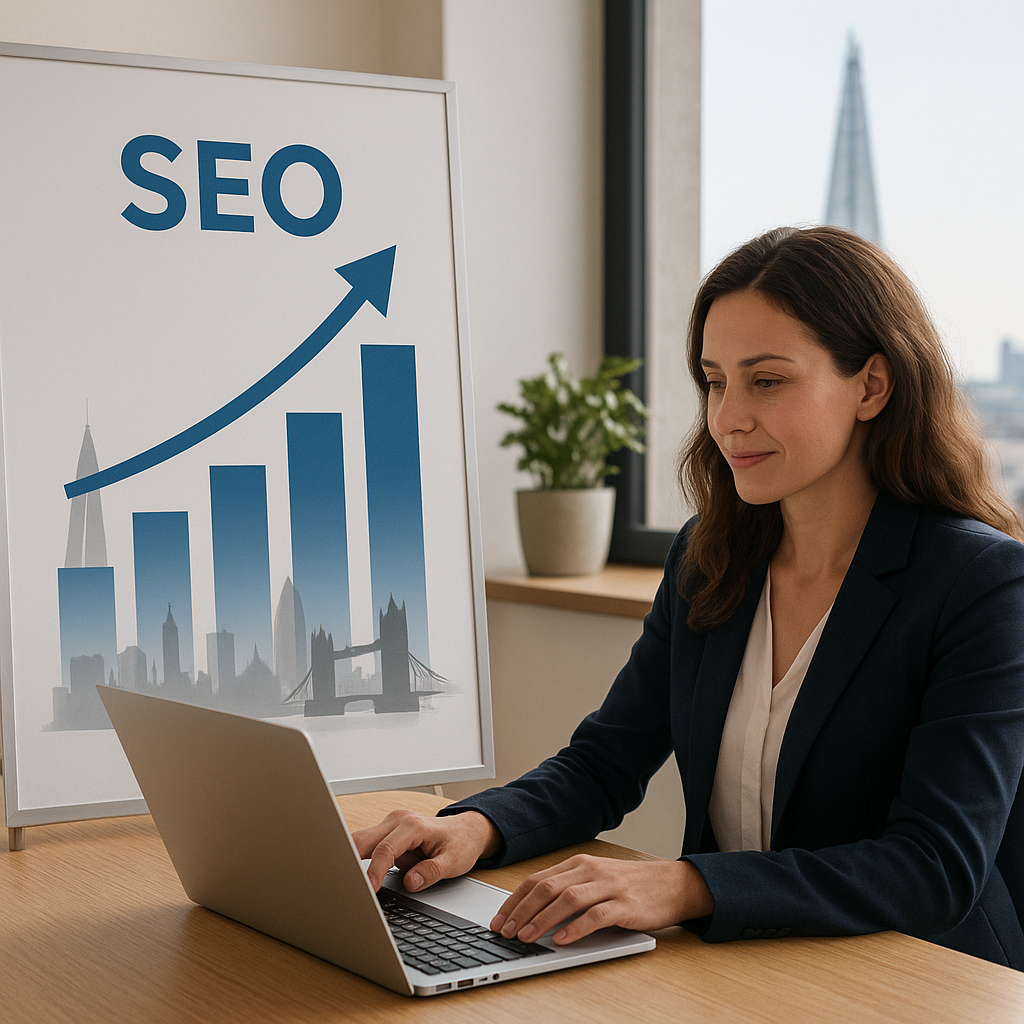
For thousands of companies in the UK capital, search engine optimisation is no longer optional – it is a core driver of visibility, leads and revenue. In a city where almost every niche is saturated, ranking on the first page of Google can decide whether a business thrives or disappears. Londoners research everything online: from local coffee shops to B2B software providers. When your brand appears at the exact moment a potential customer is searching, you win highly targeted traffic that is ready to convert. Platforms like information24.space show how powerful a well‑optimised presence can be. By aligning technical performance, high‑quality content and authority signals, SEO allows London businesses of every size to compete effectively, even against much bigger rivals with larger advertising budgets.
Why SEO matters so much in London’s competitive market
London is one of the most crowded business ecosystems in the world. Every sector – finance, tech, hospitality, creative agencies, health, legal – is filled with companies fighting for the same audiences. Traditional advertising is expensive, and attention spans are short. This environment makes SEO uniquely valuable, because it focuses on capturing existing demand instead of forcing new demand with intrusive ads.
When people in London search for a service, they usually have clear intent and a problem to solve. Appearing in the top organic results builds instant trust and dramatically increases the chances of winning the customer. Unlike paid ads that disappear the moment you stop paying, a strong SEO presence becomes a long‑term asset that continues to generate leads and sales.
For London businesses serving global clients, SEO also opens international doors. A well‑optimised website can rank not only in the UK, but also in markets you want to expand into, turning a local company into a global player without the cost of physical expansion.
How local SEO drives footfall to London businesses
Local SEO is crucial for London companies that rely on people visiting a physical location: restaurants, shops, salons, clinics, gyms, coworking spaces and more. When someone searches for “best brunch in Shoreditch” or “dentist near Liverpool Street”, search engines use location signals to decide which businesses appear in the local map pack and top results.
To win this visibility, London businesses must optimise their Google Business Profile with accurate information, compelling photos, opening hours and up‑to‑date categories. Consistent NAP (name, address, phone) details across local listings and directories reinforce trust signals. Gathering real customer reviews and responding to them professionally also boosts relevance and reputation.
Local SEO is not just about being found; it is about being chosen. Well‑crafted descriptions, high‑quality photos, and clear calls to action like “Book now” or “Call today” can be the difference between a user scrolling past you or walking through your door.
The role of high‑intent traffic in business growth
The main power of SEO for London businesses lies in its ability to capture high‑intent users – people already searching for what you offer. When a user types queries like “same day courier London” or “corporate law firm Canary Wharf”, they are much closer to making a decision than someone casually browsing social media.
By targeting the right keywords, a website can attract visitors who are more likely to become leads or paying customers. This means your marketing budget is used more efficiently. Instead of paying for broad exposure that may reach unqualified audiences, SEO positions you directly where serious buyers are searching.
Over time, analytics data from these visitors reveals which services, products or locations generate the most profitable traffic. Businesses can then refine their offers, content and pricing around that demand, creating a feedback loop that continuously improves results.
Content as a growth engine for London brands
SEO and content strategy are inseparable. For London businesses, publishing useful, in‑depth content is one of the fastest ways to differentiate in a crowded market. Blog posts, guides, case studies, FAQs and landing pages allow you to demonstrate expertise, address customer questions and attract search traffic for a wide variety of terms.
For example, a London marketing agency might create detailed guides on “how to launch a brand in the UK”, “SEO for fintech startups” or “content strategy for property developers”. Each article can rank for multiple related keywords, attract relevant visitors and showcase the agency’s knowledge.
Content also builds brand authority. When potential clients repeatedly encounter your articles when researching their problems, they start to see your business as a trusted adviser, not just another service provider. This trust significantly shortens the sales cycle and increases conversion rates when they finally reach out.
Technical SEO and user experience on London websites
London audiences expect speed, convenience and mobile‑friendly design. If a website loads slowly on the Tube or is hard to navigate on a smartphone, users will leave quickly and choose a competitor. Technical SEO ensures that your site is fast, secure and easy for both users and search engines to understand.
Key technical elements include fast loading times, optimised images, clean URL structures, internal linking and a responsive design that adapts to every screen size. Implementing HTTPS for security and fixing broken links or redirected pages also improves both user experience and search visibility.
Search engines increasingly reward websites that provide strong user signals: low bounce rates, longer time on page and higher engagement. London businesses that invest in technical SEO and user experience improvements often see gains in rankings, conversions and customer satisfaction simultaneously.
Building authority with ethical link strategies
Links from other websites act as votes of confidence in the eyes of search engines. For London businesses, building authority through high‑quality backlinks is essential to outrank tough competitors. However, the focus must be on organic, ethical strategies rather than manipulative tactics that could lead to penalties.
Effective approaches include publishing original research or reports about London markets, collaborating with local influencers or industry partners, and contributing guest articles to respected business publications. Sponsoring community events or supporting local charities can also lead to natural mentions and links.
Authoritative links help your pages rank higher for important keywords, bringing in more organic traffic that converts. At the same time, these relationships expand your network and brand recognition beyond search alone, producing offline advantages as well.
How SEO reduces customer acquisition costs
Paid advertising is powerful, but in London’s competitive sectors, costs per click can be extremely high. For many businesses, relying solely on ads makes growth unstable and expensive. SEO balances the equation by providing a stream of organic traffic that does not require paying for every visitor.
Once core pages are ranking well for valuable keywords, they can continue attracting visitors for months or even years with only modest ongoing optimisation. This lowers the average cost of acquiring each new lead or sale, freeing up budget for innovation, staffing or expansion.
Furthermore, users often trust organic results more than ads. Combining strong SEO with selective paid campaigns allows London businesses to dominate both paid and organic sections of the search results, reinforcing brand presence and boosting total click‑through rates.
Competing with bigger brands through smart SEO
Many London businesses operate in spaces dominated by large national or international brands. Outspending these giants on advertising is impossible for most SMEs, but SEO offers a more level playing field. By focusing on specific niches, long‑tail keywords and local intent, smaller companies can outrank bigger names in targeted areas.
For instance, a boutique architecture firm might struggle to rank for a broad term like “architects London”, but it can gain visibility with phrases like “sustainable office design London” or “loft conversion architect Hackney”. These searches bring in fewer visitors overall, but the visitors are more relevant and closer to hiring.
By consistently publishing niche content, optimising local pages and highlighting unique value propositions, smaller players can carve out profitable segments of the market. Over time, increased brand searches and backlinks can also help them compete on broader terms.
Measuring SEO success for London businesses
To ensure that SEO truly supports growth, London businesses need clear measurement frameworks. Instead of focusing only on rankings, they should track the full journey from search to sale. Essential metrics include organic traffic volume, keyword visibility, click‑through rates, conversion rates and revenue generated from organic channels.
Analytics tools reveal which landing pages attract the most valuable visitors, which keywords drive enquiries, and where users drop off in the funnel. Armed with this data, companies can refine their content, improve calls to action and adjust their offers to better meet demand.
Regular reporting helps leadership understand SEO’s contribution to business objectives such as lead growth, market expansion or customer retention. This evidence makes it easier to justify continued investment and integrate SEO decisions into wider strategic planning.
Adapting SEO strategies to London’s diverse audiences
London is one of the most diverse cities in the world, and this diversity shapes online behaviour. Effective SEO strategies account for differences in language, culture, neighbourhoods and purchasing patterns. Businesses that understand these nuances can create more relevant content and landing pages for different audience segments.
For example, a healthcare provider might create separate pages targeting busy City professionals, families in outer boroughs and international students. Each page can address specific concerns, appointment preferences and insurance questions, improving both relevance and conversion rates.
By listening to customer feedback, monitoring search trends and analysing demographic data, London companies can continuously refine their SEO to match the evolving character of the city and its residents.
SEO as a long‑term growth strategy in London
In a fast‑moving city where trends come and go, SEO offers something rare: sustainable, compounding growth. Every optimised page, each authoritative link and every piece of helpful content contributes to a stronger digital foundation. This foundation supports new product launches, geographic expansion and even brand repositioning.
For London businesses willing to invest patiently, SEO becomes a strategic asset that reduces risk and dependence on paid channels. It strengthens brand credibility, generates a consistent flow of qualified leads and helps companies adapt quickly when the market shifts.
By treating SEO not as a one‑off campaign but as an ongoing process of improvement, London organisations of every size – from startups to established enterprises – can secure a more powerful, resilient position in one of the world’s most challenging and rewarding business environments.