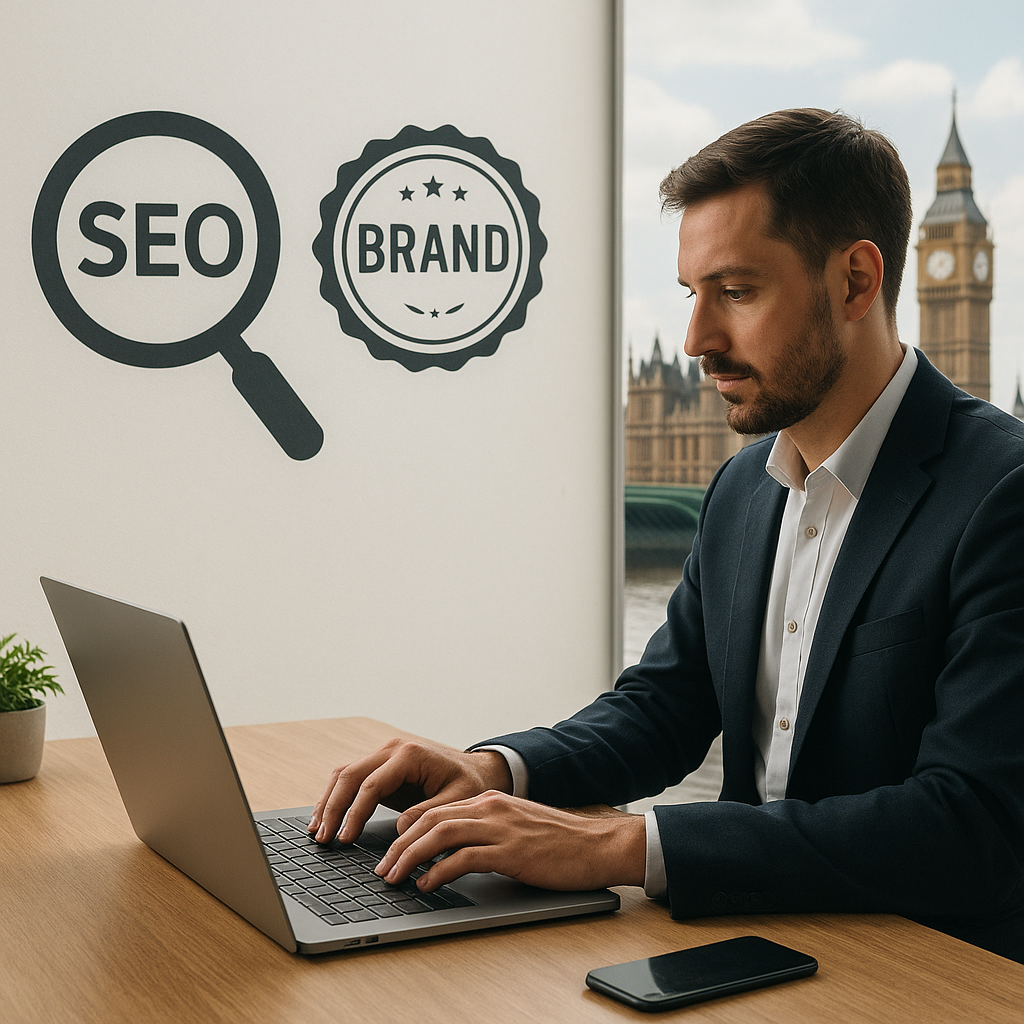
The vibrant business landscape of London offers unique opportunities for companies seeking to elevate their **brand** presence while improving their online **search visibility**. Combining effective SEO tactics with a compelling branding strategy can help your business stand out in a competitive market. In this article, we explore methods to harmonise your **brand voice** with robust SEO practices that resonate with London’s diverse and discerning audience.
Understanding the London Market Dynamics
London is a melting pot of cultures, industries, and consumer behaviors. To successfully merge SEO with branding, you must first familiarise yourself with key characteristics of this market.
1. Diverse Audience Personas
- Segment your target customers by demographics, interests, and online behaviour.
- Develop detailed audience personas that reflect local tastes, languages, and purchasing patterns.
- Use surveys, social listening, and analytics to refine your understanding of London’s sub‐markets.
2. Competitive Landscape
- Analyse top competitors in your niche to identify gaps in their SEO and branding approaches.
- Study competitor keywords, content formats, and backlink profiles to inform your own keyword strategy.
- Observe how established brands leverage local partnerships and events to boost credibility.
3. Local SEO Considerations
- Optimise your Google Business Profile with accurate address, opening hours, and customer reviews.
- Embed geo‐tagged images and location‐specific keywords in your website content.
- Leverage local directories and citations to build a strong web of trust for both users and search engines.
Integrating SEO Strategies with Brand Identity
A cohesive strategy ensures your brand messaging and SEO efforts support each other rather than compete. The following tactics align technical optimisation with consistent brand experiences.
1. Developing Branded Keyword Themes
- Begin with a core brand positioning statement that highlights your unique selling points.
- Build clusters of keywords that reinforce this positioning — for example, pairing branded terms with service‐specific modifiers.
- Structure your site’s architecture so that branded landing pages connect to related service pages via internal links.
2. Crafting Content That Speaks to Both Algorithms and Humans
- Create blog posts, case studies, and infographics that showcase your brand story while naturally incorporating target keywords.
- Write in a tone that reflects your brand voice—whether it’s authoritative, friendly, or innovative.
- Use content marketing frameworks like the hero’s journey, Q&A guides, and how‐to tutorials to build engagement and shareability.
3. Technical SEO for Brand Consistency
- Ensure your site’s navigation mirrors your brand’s core offerings in a logical hierarchy.
- Implement schema markup (Organization, Local Business, BreadcrumbList) to amplify search results with branded rich snippets.
- Maintain fast page speeds and mobile responsiveness to deliver a polished brand experience across devices.
4. Leveraging Backlinks to Reinforce Credibility
- Perform outreach to local London blogs, news sites, and industry publications for guest posts and interviews.
- Showcase your brand’s community involvement—sponsoring events, workshops, and charity initiatives—to earn authoritative backlinks.
- Monitor your backlink profile regularly to disavow any harmful links that could undermine your brand’s reputation.
Optimising User Experience and Engagement
User behaviour signals are an essential part of modern SEO. By focusing on seamless UX, you align your brand promise with tangible on‐site improvements.
1. Clear Brand Messaging Above the Fold
- Place your value proposition and primary calls to action in prominent spots.
- Use engaging visuals and concise headlines that reflect your brand’s personality.
- Incorporate trust signals like client logos, awards, and real‐time reviews.
2. Interactive Elements and Personalisation
- Add chatbots or guided quizzes to help visitors find the right products or services quickly.
- Use cookies and session data to personalise content recommendations—boosting dwell time and reducing bounce rate.
- Implement location‐aware banners or pop-ups to address specific London boroughs or neighbourhood interests.
3. Multimedia Integration
- Embed branded videos that showcase your team, office environment, or case studies.
- Use optimised images with descriptive alt text to enhance accessibility and SEO.
- Publish podcasts or webinars highlighting local industry insights, partnerships, and events.
Measuring Success and Adjusting Tactics
Ongoing measurement ensures that your combined SEO and branding efforts deliver measurable ROI. Use a blend of quantitative and qualitative metrics.
1. Key Performance Indicators (KPIs)
- Track organic traffic growth, keyword rankings, and click‐through rates to evaluate search performance.
- Monitor brand impression metrics—branded search volume, direct traffic, and social mentions.
- Analyse user behaviour data such as session duration, pages per session, and conversion rates.
2. Qualitative Brand Perception
- Collect customer feedback via surveys, reviews, and social listening tools.
- Assess sentiment trends around your brand name and campaign hashtags.
- Hold periodic focus groups or interviews with local customers to capture nuanced opinions.
3. Iterative Optimisation
- Run A/B tests on headlines, calls to action, and landing page designs to identify what resonates.
- Refine your analytics setup to attribute traffic and conversions accurately across campaigns.
- Adjust your content calendar and backlink outreach based on performance insights every quarter.
Case Studies and Best Practices
Learning from successful implementations in London can provide actionable insights for your own strategy.
- Local Café Chain: Boosted organic traffic by 80% through geo‐targeted blog posts about neighbourhood events, integrating local SEO with brand storytelling.
- Tech Startup: Established thought leadership by publishing whitepapers on industry trends, securing high‐authority backlinks and reinforcing its innovative brand image.
- Luxury Retailer: Enhanced user engagement by adding 3D product visuals and virtual showrooms, marrying immersive branding with improved site metrics.
By weaving together strong SEO foundations and a consistent brand narrative, businesses in London can achieve sustainable growth. Focusing on both technical optimisation and emotive storytelling ensures that your brand not only ranks high in search but also resonates deeply with your target audience.