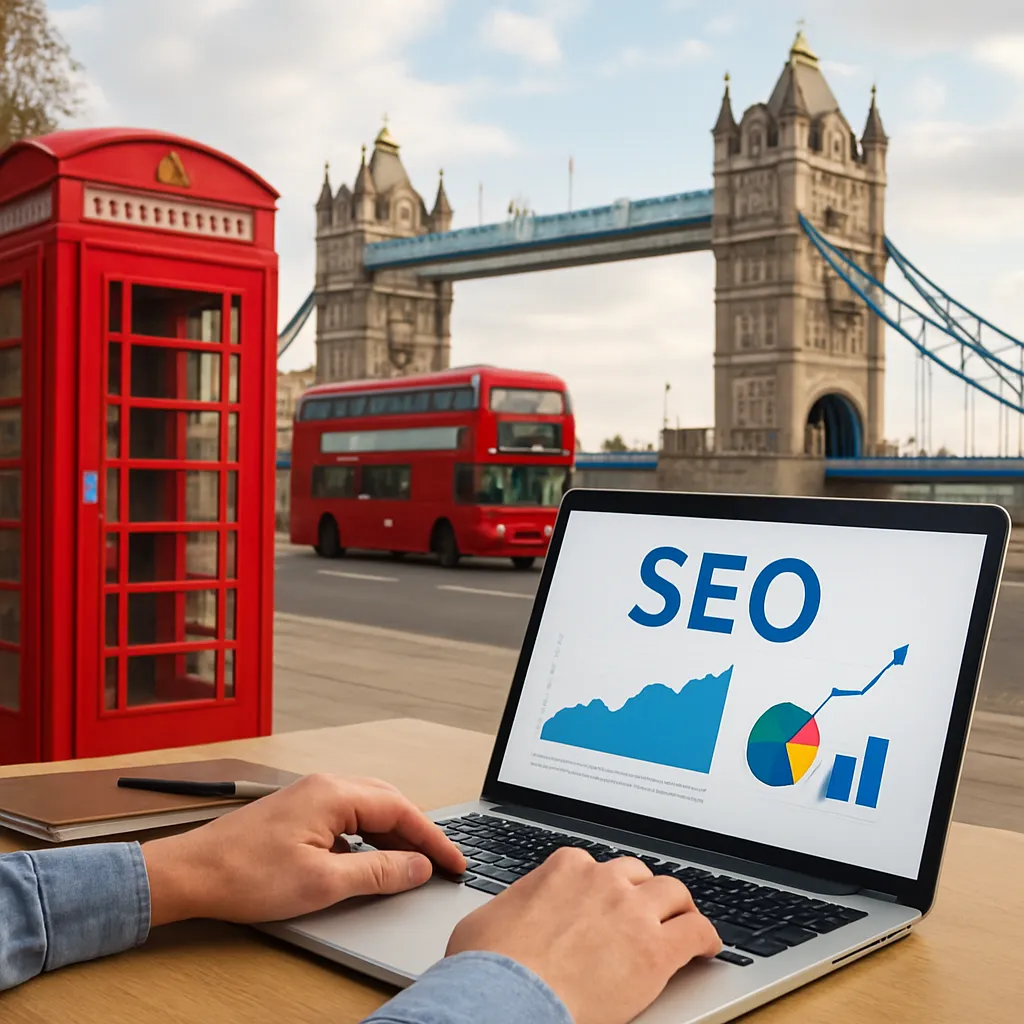
In the bustling heart of London’s culinary scene, mastering SEO is essential for any eatery hoping to stand out. From hidden cozy cafés in Shoreditch to high-end restaurants overlooking the Thames, boosting online visibility can mean the difference between empty tables and fully booked nights. This guide explores proven strategies tailored for London’s unique market, helping your establishment attract diners through informed digital marketing tactics.
Local Keyword Research Strategies
Understanding London’s Search Patterns
To connect with hungry customers, begin by analyzing how locals and tourists search for dining options. Phrases like “best restaurants near me,” “cozy cafés in Covent Garden,” or “budget-friendly eateries in Shoreditch” reveal user intent. Tools such as Google Keyword Planner, Ahrefs, and SEMrush can help identify search volume and competition for these terms. Focus on long-tail keywords that include neighbourhood names, cuisine types, or ambience descriptors—a strategy that narrows competition and reaches highly motivated diners.
Category-Based Keywords
- By Cuisine: “Italian trattoria in Soho,” “Japanese ramen in Camden”
- By Occasion: “romantic dinner spots London,” “family-friendly cafés near Hyde Park”
- By Service: “vegan delivery London,” “late-night bars Shoreditch”
Once you categorize potential keywords, prioritize those with moderate search volumes and lower difficulty scores. These will yield faster local wins compared to ultra-competitive head terms.
On-Page Optimization for Restaurants and Cafés
Meta Tags and Titles
Craft page titles and meta descriptions that incorporate primary keywords while reflecting your unique selling points. For instance:
- Title: “Authentic Italian Pizza in Southwark – La Tavola Ristorante”
- Meta Description: “Discover handcrafted Neapolitan pizzas at our Southwark restaurant. Book your table for an unforgettable London dining experience today!”
Including locality and standout features makes your listing more appealing and clickable.
Header Tags and Content Structure
Use h2 and h3 tags to structure content for both users and search engines. Consider sections like “Menu Highlights,” “Location and Hours,” and “Special Events.” Beneath each heading, include descriptive text enriched with secondary keywords. For example:
Menu Highlights
Highlight signature dishes, daily specials, and dietary options. Mention terms such as “gluten-free cakes,” “plant-based brunch,” or “artisan coffee.” This approach boosts relevancy for those specific searches.
Image Optimization
High-quality photos of dishes, interiors, and staff enhance user engagement. Optimize images by:
- Using descriptive filenames: “london-café-avocado-toast.jpg”
- Adding alt text: “Avocado toast with microgreens served at café in Covent Garden”
- Ensuring fast load times through compression and appropriate formats (WebP or optimized JPEG)
Leveraging Google My Business and Local Listings
Creating and Verifying Your Profile
Your Google My Business (GMB) listing is a virtual storefront. Claim and verify it promptly, then fill in every detail:
- Accurate address, phone number, and website URL
- Opening hours, including special holiday schedules
- Link to online booking or ordering platforms
Optimizing for Local Pack Visibility
To appear in the coveted “Local Pack,” focus on:
- Consistent Name, Address, Phone (NAP) across directories
- Publishing posts about events, specials, or menu updates
- Encouraging and responding to customer reviews
Prompt diners to leave feedback by offering incentives like a complimentary drink on their next visit. Regular responses to both positive and negative reviews demonstrate active management and can improve your overall rating.
Content Marketing and Community Engagement
Blog Posts and Recipe Shares
Publishing a blog on your website can attract a broader audience. Topics might include:
- “5 Must-Try Brunch Spots in East London”
- “Behind the Scenes: How Our Pastries Are Made”
- “Best Wine Pairings with Italian Cuisine”
These posts can target question-based queries such as “what to eat in Notting Hill” or “how to brew the perfect espresso,” increasing your site’s organic traffic.
Social Media Synergy
Integrate your Content Marketing efforts with social platforms. Share blog excerpts, behind-the-scenes reels, and user-generated content. Host Instagram polls about new menu items, run Facebook events for tasting nights, and leverage Twitter for real-time updates. Each post should include location tags and relevant hashtags (#LondonEats, #CoffeeLoversLondon) to boost discoverability.
Local Collaborations and Events
Partnering with local food bloggers, influencers, or neighbouring businesses can yield high-quality Backlinks and social mentions. Consider:
- Hosting a charity brunch with a shareable hashtag
- Inviting a food critic for a complimentary tasting
- Offering a pop-up stall at a local market
These activities establish your restaurant or café as an integral part of London’s dining community, driving both foot traffic and online authority.
Technical and Mobile SEO Considerations
Site Speed and Mobile-Friendliness
With a significant portion of users searching for “restaurants near me” on their phones, ensuring your site is Mobile-optimized is non-negotiable. Key steps include:
- Implementing responsive design for various screen sizes
- Minimizing JavaScript and CSS
- Leveraging browser caching and Content Delivery Networks (CDNs)
Structured Data Markup
Use Schema.org markup for restaurants to help search engines understand your content. Implement tags such as Restaurant, Menu, and OpeningHoursSpecification. Proper markup can lead to rich snippets—displaying star ratings, price range, and cuisine type directly in search results.
Monitoring and Continuous Improvement
Track performance with Google Analytics, Search Console, and local SEO tools. Key metrics include:
- Impressions and clicks for target keywords
- GMB call-to-action clicks (directions, calls, website visits)
- Conversion tracking for reservations or online orders
Regular audits reveal areas for technical fixes, content updates, or new keyword opportunities, ensuring your establishment remains highly ranked in a dynamic London market.