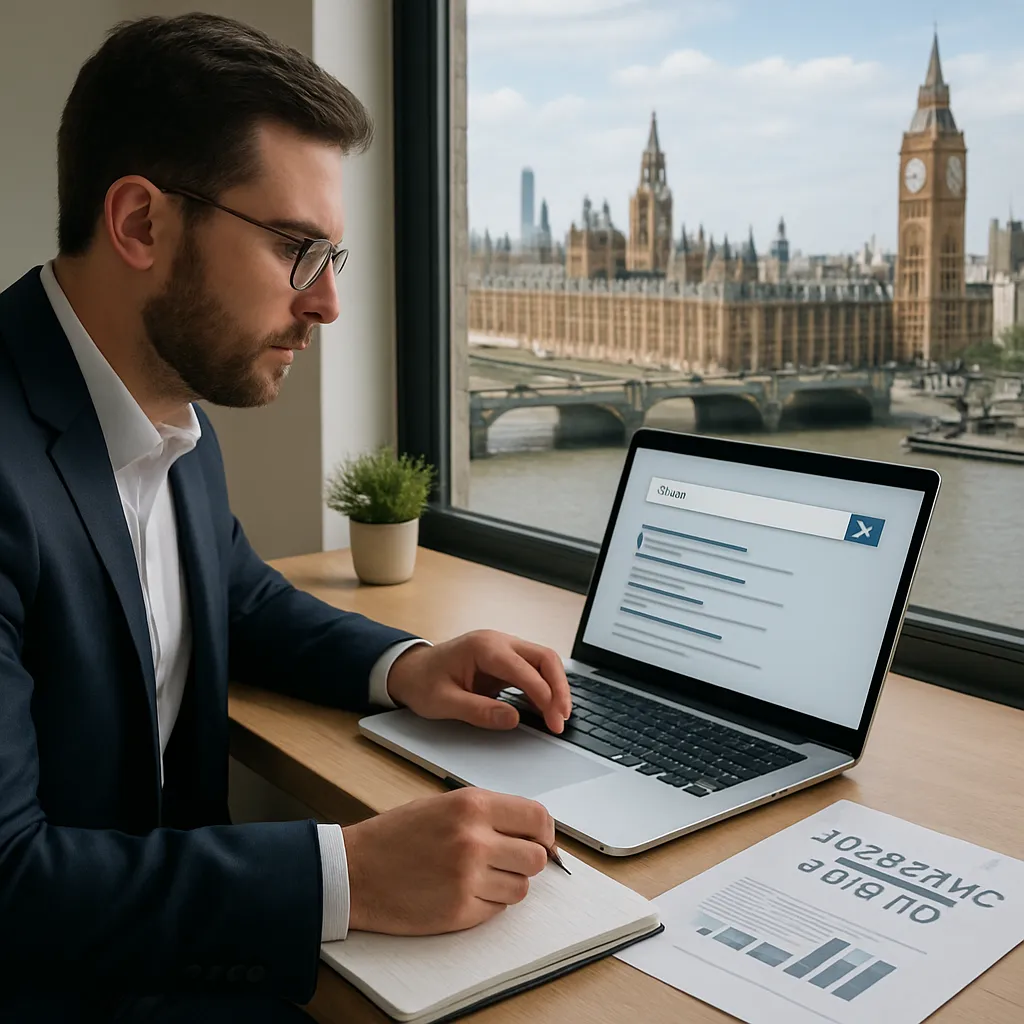
Creating a robust alliance between London’s SEO experts and innovative web designers can transform digital projects into powerful engines for growth. By harnessing each team’s specialized skill sets, businesses unlock unparalleled visibility online while delivering exceptional user experience. This guide explores proven methods for forging a successful alliance that maximizes ROI and drives long-term digital success.
Identifying Complementary Strengths
Every successful collaboration starts with understanding what each party brings to the table. SEO experts excel in keyword research, link-building campaigns, and on-page optimization, while web designers focus on aesthetics, intuitive navigation, and brand consistency. Identifying these complementary strengths creates a foundation of mutual respect and sets the stage for an enduring partnership.
- SEO experts: Specialize in technical optimization, analytics, and algorithm compliance to boost search rankings.
- Web designers: Craft engaging layouts, color schemes, and responsive designs to captivate visitors and reduce bounce rates.
Aligning Objectives
Clearly defining shared goals ensures everyone works towards the same outcome. Whether it’s improving organic traffic by 30% or decreasing page load times, aligning on metrics fosters accountability. Use collaborative workshops to map out priorities such as site architecture tweaks, content calendars, and conversion rate enhancements.
Building Effective Communication Channels
Transparent communication is the backbone of any thriving collaboration. Establishing regular touchpoints and shared documentation prevents misunderstandings and keeps projects on track. Integrating both teams into a unified workspace encourages real-time feedback and innovation.
- Weekly brainstorming sessions: Encourage cross-pollination of ideas on UI changes and keyword opportunities.
- Shared project boards: Utilize tools like Trello or Asana to maintain task visibility and deadlines.
- Centralized documentation: Maintain a living repository of style guides, SEO checklists, and design assets.
Choosing the Right Tools
Choosing integrated platforms boosts efficiency. Tools such as Google Analytics, Ahrefs, or SEMrush offer valuable SEO insights, while Figma or Sketch streamline the design review process. Syncing these tools via APIs or plugins keeps both teams in sync.
Collaborative Workflows and Project Management
Adopting an Agile mindset helps teams iterate quickly and respond to feedback. Structuring sprints around specific deliverables—such as optimizing metadata or prototyping homepage layouts—facilitates continuous progress and rapid adjustments.
- Define sprint goals: Set clear, measurable targets for each two-week cycle.
- Daily stand-ups: Encourage brief updates to flag potential roadblocks early.
- Role clarity: Assign responsibilities for tasks like schema markup, image compression, and A/B testing.
Integrate design handoffs and SEO audits into the sprint cycle to eliminate bottlenecks. For example, conduct a preliminary design review before coding, then perform a mid-sprint SEO check to confirm all on-page factors align with best practices.
Measuring Success and Continuous Improvement
Tracking the impact of combined efforts is essential for refining strategies. Define key performance indicators (KPIs) that reflect both design and SEO achievements. These metrics might include organic sessions, average session duration, conversion rate, and page speed scores.
- Organic traffic growth: Monitor month-over-month increases in search-driven visitors.
- Engagement metrics: Analyze bounce rate, time on page, and scroll depth to evaluate design effectiveness.
- Conversion rates: Measure how well landing pages convert traffic into leads or sales.
- Technical health: Use tools like Lighthouse to track page speed and core web vitals.
Iterating Strategies
Continuous refinement is the hallmark of a dynamic collaboration. Schedule quarterly retrospectives to review performance data, identify pain points, and brainstorm improvements. By fostering a culture of experimentation—testing new layouts, refining keyword targets, or adjusting internal linking structures—teams maintain momentum and drive ongoing growth.
Fostering Long-Term Growth Through Trust
Trust forms the bedrock of any sustainable relationship. Celebrate joint wins, acknowledge individual contributions, and openly discuss failures to foster a supportive environment. Regularly updating stakeholders with transparent reports builds confidence and demonstrates the power of united expertise.
- Shared success stories: Highlight case studies where design enhancements and SEO tactics generated measurable gains.
- Knowledge exchange: Host monthly workshops where each team teaches core principles to the other.
- Cross-team mentoring: Pair a designer with an SEO specialist for ongoing skill development.
By investing in mutual growth and open communication, London-based teams can solidify a competitive edge in a crowded digital marketplace. This seamless synergy between web designers and SEO experts ensures every website not only looks exceptional but also ranks prominently, driving sustainable business success.