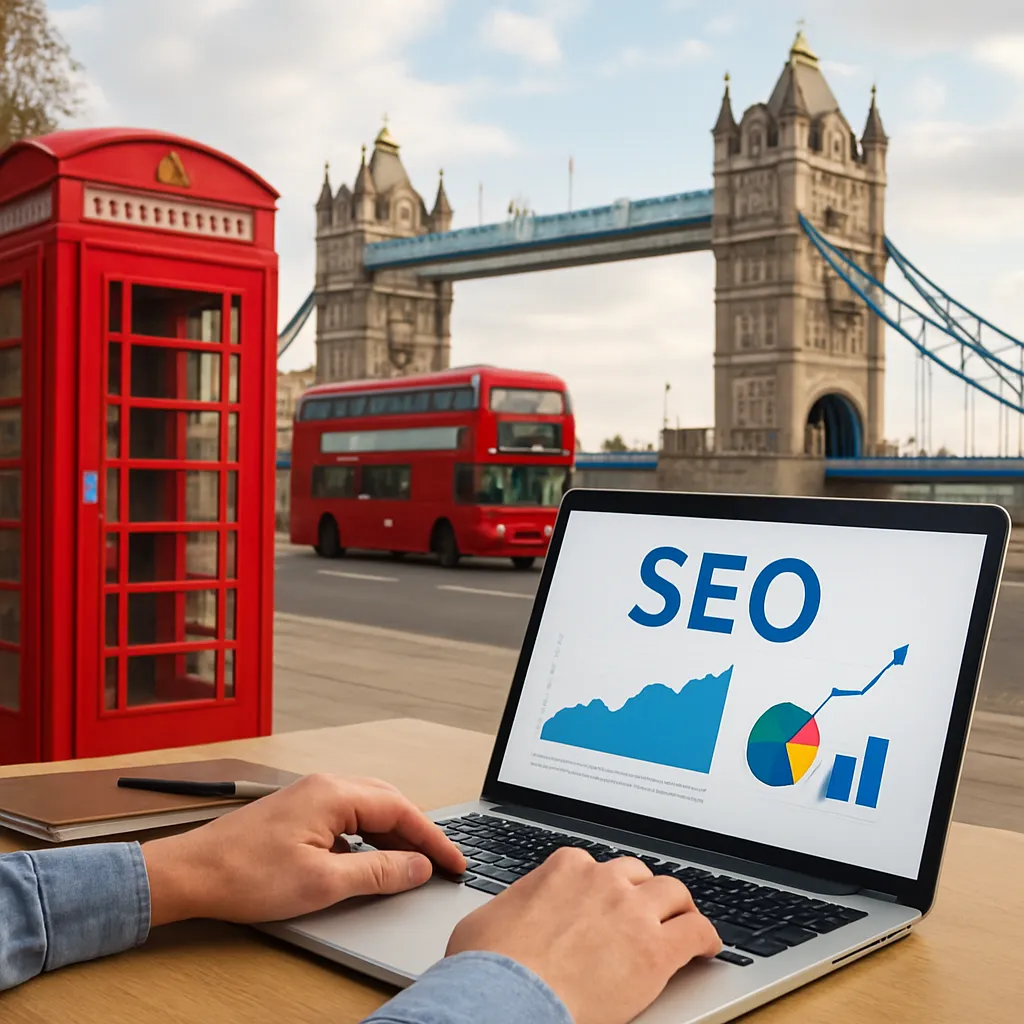
Unlocking the potential of local search demands a strategic approach to optimize for semantic search in one of the world’s most competitive markets. London SEO experts are shifting focus from simple keyword stuffing to building content and technical frameworks that address context, intent, and meaning. This article outlines actionable methods to position your brand for enhanced visibility across London’s diverse search queries.
Understanding the Foundations of Semantic Search
Search engines have evolved beyond mere string-matching algorithms. They now leverage natural language processing and knowledge graphs to interpret the relationships between words, concepts, and entities. For London-based businesses, mastering this paradigm means meeting users’ needs with precision and relevance.
Key Concepts and Terminology
- Entities: Real-world objects or ideas, like “Tower Bridge” or “evening walking tours.”
- Contextual Signals: Clues about user intent based on location, previous queries, and device.
- Search Intent: The underlying purpose behind a query, which can be informational, navigational, transactional, or commercial.
- Knowledge Graph: A database of interconnected facts and entities that helps engines understand user queries holistically.
- Latent Semantic Indexing: A technique that identifies patterns in relationships between terms and concepts.
The Shift from Keywords to Concepts
While traditional SEO emphasized high-volume keywords, semantic search encourages focusing on thematic clusters. For example, instead of optimizing solely for “best pubs in London,” develop content around related themes such as “historic London pubs,” “real ale tasting tours,” and “pubs with live music.” This approach signals to search engines that your site comprehensively covers the topic.
Applying Semantic SEO Strategies in London
Local search in London involves unique challenges—multiple boroughs, diverse demographics, and intense competition. Follow these best practices to stand out in hyperlocal results:
1. In-Depth Local Keyword Research
- Use tools that suggest related phrases and long-tail variants, such as “veganuary menus in Shoreditch.”
- Analyze “People Also Ask” boxes for common questions: e.g., “Where to find gluten-free brunch near Covent Garden?”
- Leverage Google Trends with a location filter set to “United Kingdom” or specific London boroughs.
2. Creating Thematic Content Hubs
Develop a central pillar page—an authoritative guide on a broad topic like “Ultimate Guide to Historic London Neighbourhoods.” Surround this hub with cluster pages focusing on micro-areas such as “Notting Hill street art tour” or “Islington canal boat rides.” Internally link these pages to reinforce semantic relationships.
3. Optimizing Google Business Profile for Semantic Signals
- Embed precise schema markup to define your business type, operating hours, contact details, and service areas.
- Encourage reviews that mention specific services or products, like “excellent gluten-free afternoon tea at Mayfair café.”
- Use Google Posts to share targeted updates—highlight events, promotions, or blog posts that answer local queries.
Technical Best Practices for Semantic Search
Beyond content, your technical architecture must facilitate efficient crawling, indexing, and interpretation by search engines. Implement the following:
Structured Data and Schema Markup
Adding structured data using JSON-LD helps create explicit relationships between entities on your site:
- LocalBusiness schema: Identify your business and attributes like priceRange, areaServed, and geo coordinates.
- Article schema: Mark up blog posts with headline, author, datePublished, and mainEntityOfPage.
- BreadCrumbList schema: Clarify hierarchical site structure for deeper pages.
Optimized Site Architecture
- Ensure a logical URL structure: example.com/london-food-tour/brick-lane
- Create an XML sitemap listing all pages, including cluster content and service area pages.
- Improve internal linking by using descriptive anchor text that reflects entities and concepts.
Mobile and Page Speed Performance
Semantic search also rewards user experience signals. Londoners often search on mobile devices while on the move. Optimize for Core Web Vitals:
- Reduce Largest Contentful Paint (LCP) by compressing images and following lazy-loading best practices.
- Minimize JavaScript and CSS files to speed up First Input Delay (FID).
- Use a Content Delivery Network (CDN) with points of presence near London to decrease Time to First Byte (TTFB).
Content Strategies to Capture Semantically Driven Traffic
High-quality content that addresses real user intent will establish authority and earn search engines’ trust. Focus on these tactics:
Answer Local Questions and FAQs
Create dedicated FAQ sections on service pages or blog posts, directly answering queries like:
- What are the best family-friendly activities in Greenwich?
- How to book a private rooftop venue in London for corporate events?
- Where to find vegan street food markets near Camden?
Leverage Multimedia and Interactive Elements
Boost engagement by embedding interactive maps, video tours, and virtual reality experiences. For instance, a 360° video walkthrough of your Shoreditch gallery can increase dwell time and signal depth of coverage.
Implement Topic Clustering at Scale
For agencies managing multiple clients across London, use an editorial calendar to plan clusters around borough-specific themes. Assign writers to produce comprehensive guides that link back to the central pillar, reinforcing semantic structure.
Measuring Success and Iterating
Tracking performance in a semantic SEO campaign requires a combination of traditional metrics and advanced analysis:
- Rankings in SERP features: Monitor presence in People Also Ask, Knowledge Panels, and Local Packs.
- User behavior signals: analyze bounce rate, time on site, and pages per session by landing page topic.
- Entity tracking: use tools that measure visibility of targeted entities and concept clusters.
- Conversion attribution: map form submissions or phone calls to specific content pieces driving intent fulfillment.
By adopting a semantic search mindset, London SEO experts can deliver content that resonates with local searchers, satisfies complex queries, and signals authority to search engines. Implement these strategies to craft a future-ready SEO program, aligning technical best practices with content that understands user context and meaning.