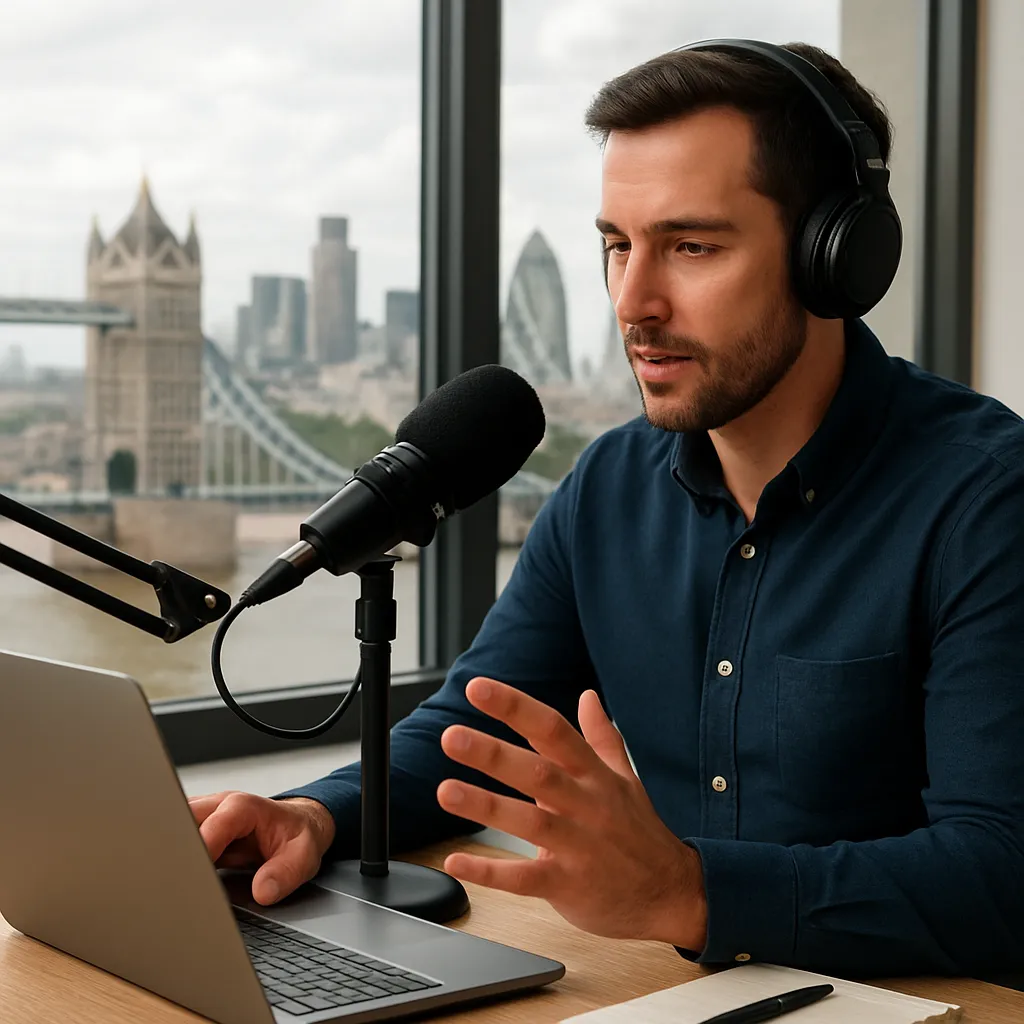
London’s vibrant digital landscape offers a unique opportunity for businesses seeking to elevate their online presence. By integrating podcasts with advanced SEO strategies, companies can tap into an engaged audience and stand out in a crowded market. This article guides you through leveraging audio content to boost visibility, drive organic traffic, and establish authority in the London scene.
Understanding the Landscape of Podcasts and London SEO
As a London SEO expert, the first step is recognizing how podcasts fit into local search dynamics. Unlike blog posts or videos, podcasts allow listeners to connect with hosts on a personal level, fostering stronger brand loyalty.
The Rise of Audio Consumption in London
- Commuter engagement: Londoners spend significant time on public transport, making audio formats ideal for content consumption.
- Local culture: Podcasts focusing on London-specific topics—neighborhood guides, cultural events, business trends—resonate with residents and tourists alike.
- Competitive advantage: While many brands invest heavily in written content, fewer leverage audio, offering an opportunity to stand out in search results.
How Search Engines Index Podcasts
- Transcriptions:
- Providing full transcripts improves crawlability and introduces keywords naturally into on-page content.
- Show notes:
- Rich show notes with timestamps, summaries, and links help search engines understand episode context and relevance.
- Metadata optimization:
- Titles, descriptions, and tags should include targeted terms like “London SEO,” “digital marketing,” and “local business strategies.”
Developing a Podcast Strategy that Aligns with SEO Goals
A well-defined plan ensures each episode contributes to your broader branding and search objectives.
Identifying Your Target Audience
- Market segmentation: Define demographics—startup founders, marketing managers, local entrepreneurs—who seek SEO insights.
- Content preferences: Conduct surveys or monitor social media to discover the topics your audience finds most valuable.
Choosing Relevant Topics and Formats
- Local case studies: Interview London-based businesses that have successfully scaled through SEO.
- Expert panels: Host roundtables with analytics specialists, keyword strategists, and content creators discussing best practices.
- Solo deep dives: Offer in-depth breakdowns of tools like Google Search Console, local schema markup, and backlink auditing.
Integrating Keywords Organically
- Episode titles:
- Ensure your primary keywords appear early—for example, “London SEO Podcast: Building Local Backlinks.”
- Descriptions and show notes:
- Craft a compelling summary (150–300 words) featuring your focus terms without keyword stuffing.
Optimizing Podcast Content for Search Engines
Once you have a content plan, optimization ensures maximum discoverability across search results and platforms.
Creating Detailed Show Notes and Transcripts
- Full transcripts:
- Include speaker labels and timestamps to enhance readability and SEO value.
- Bullet-point summaries:
- Highlight main takeaways and incorporate content clusters around primary topics.
On-Page SEO Best Practices
- Title tags:
- Keep under 60 characters while featuring your main focus—e.g., “London SEO Podcast Episode 5: Local Backlink Building.”
- Meta descriptions:
- Write concise appeals (120–160 characters) that encourage clicks from London-based searchers.
- Header structure:
- Use clear
and
tags in blog posts or landing pages hosting your episodes.
Building Backlinks Through Guest Appearances
- Invite local influencers or SEO specialists:
- Their networks will often link back to episodes on their websites and social profiles.
- Crossover episodes:
- Partner with established podcasts in related niches to tap into their engagement streams and backlink sources.
Promoting and Distributing Your London-Focused SEO Podcast
Effective promotion drives listenership, which in turn signals authority to search algorithms.
Selecting the Right Platforms
- Major directories:
- Apple Podcasts, Spotify, Google Podcasts—ensure accurate categorization under “Business” and “Marketing.”
- Local directories and aggregators:
- Submit to UK-specific channels and London business forums for niche exposure.
Leveraging Social Media and Email Marketing
- LinkedIn Groups:
- Share episode highlights in London marketing and SEO communities.
- Twitter threads:
- Break down key insights in a content-rich thread with episode links and relevant hashtags (#LondonSEO, #DigitalMarketing).
- Email newsletters:
- Embed episode players and concise summaries in weekly updates to your subscriber base.
Engaging Local Media and Partnerships
- Press releases:
- Announce special episodes or milestones to London-based tech blogs and news sites.
- Event tie-ins:
- Host live podcast recordings at local meetups or conferences to create buzz and generate on-site backlinks.
Measuring Success and Refining Your Approach
Continuous improvement relies on data-driven insights and audience feedback.
Key Performance Indicators
- Download metrics:
- Track growth trends by episode to pinpoint topics that resonate most with your London audience.
- Engagement rates:
- Monitor average listen duration and drop-off points to optimize future content structure.
- Referral traffic:
- Use UTM codes in show notes links to identify which platforms drive the highest website visits.
Iterating Based on Insights
- Feedback loops:
- Encourage listener reviews and surveys to capture qualitative input on topics and format.
- Content pivots:
- Expand popular segments into mini-series or supplement with blog posts for deeper coverage.
- Technical enhancements:
- Improve audio quality, optimize loading times on your website, and ensure mobile-friendly playback.