In the competitive world of London’s events industry, mastering digital visibility is essential for both event planners and venues. By focusing on tailored SEO strategies, businesses can connect with a local audience, increase bookings, and stand out in a crowded marketplace. This article explores actionable techniques that will help industry professionals elevate their online presence and drive sustained growth.
Understanding SEO for Event Planners and Venues
At its core, SEO involves optimizing a website so search engines like Google rank it higher in search results. For event planners and venues in London, the goal is to capture searches such as “corporate event space London” or “wedding planner near me.” To achieve this, you must understand:
- How Google evaluates relevance and authority
- The importance of local search signals
- On-page vs. off-page factors
Relevance signals tell search engines that your content matches user intent, while authority signals—like high-quality backlinks—reinforce your website’s credibility. In a city as vast as London, precise targeting prevents wasted ad spend and ensures you reach potential clients actively seeking your expertise.
Keyword Research and On-Page Optimization
Effective keywords serve as the backbone of any successful SEO campaigns. Start with robust research to identify terms your target audience uses. Tools like Google Keyword Planner and SEMrush can reveal monthly search volumes and competition levels. Focus on:
- Short-tail phrases: “London event venue”
- Long-tail queries: “intimate rooftop wedding venue in Shoreditch”
- Service-based searches: “corporate team-building activities London”
Once you have a list of priority keywords, integrate them naturally into:
- Page titles and meta descriptions
- Header tags (
,
)
- Body content, ensuring readability
- Image alt attributes and file names
Remember that content quality is paramount. Avoid keyword stuffing at all costs. Instead, craft informative introductions, detailed service descriptions, and client success stories that resonate with potential customers. For instance, a venue might include a case study of a high-profile corporate gala they hosted, emphasizing challenges solved and outcomes achieved.
Local SEO Strategies for London-Based Businesses
Maximizing visibility in London’s densely populated market requires strong local SEO. Key actions include:
- Creating and optimizing a Google Business Profile with accurate address, phone number, and office hours
- Encouraging satisfied clients to leave genuine reviews
- Embedding a Google Map on your contact page
- Building citations on reputable directories such as Yelp, Bing Places, and TripAdvisor
Local optimization signals help Google understand your geographic relevance. For example, combining schema markup for events with location-based keywords can increase the chances of showing up in the coveted “local pack.” Additionally, collaborating with nearby hotels, transportation services, and caterers for cross-promotional content can generate authoritative backlinks while strengthening community ties.
Content Marketing and Authority Building
High-quality content not only engages your website visitors but also attracts external sites to link back, boosting your site’s overall authority. Consider these tactics:
Event Planning Guides and Checklists
- Downloadable PDFs covering timelines, budgets, and logistic tips
- Infographics detailing step-by-step processes
Venue Showcases and Virtual Tours
- Video walkthroughs highlighting unique amenities
- 360-degree panoramic images for immersive experiences
Industry Thought Leadership
- Blog posts analyzing London event trends
- Interviews with top planners, decorators, and caterers
By consistently publishing valuable resources, you position your brand as a trusted source of information. This approach naturally attracts editorial links from wedding blogs, corporate event websites, and local news outlets, further reinforcing your site’s credibility.
Technical SEO and Performance Optimization
Technical factors play a crucial role in both search rankings and user satisfaction. Focus on:
- Mobile responsiveness—critical for on-the-go users looking up venues via smartphone
- Page load speed—minimize large image files and leverage browser caching
- Secure HTTPS protocol—to build trust and meet Google’s security standards
- Clean URL structure—include relevant keywords and keep slugs concise
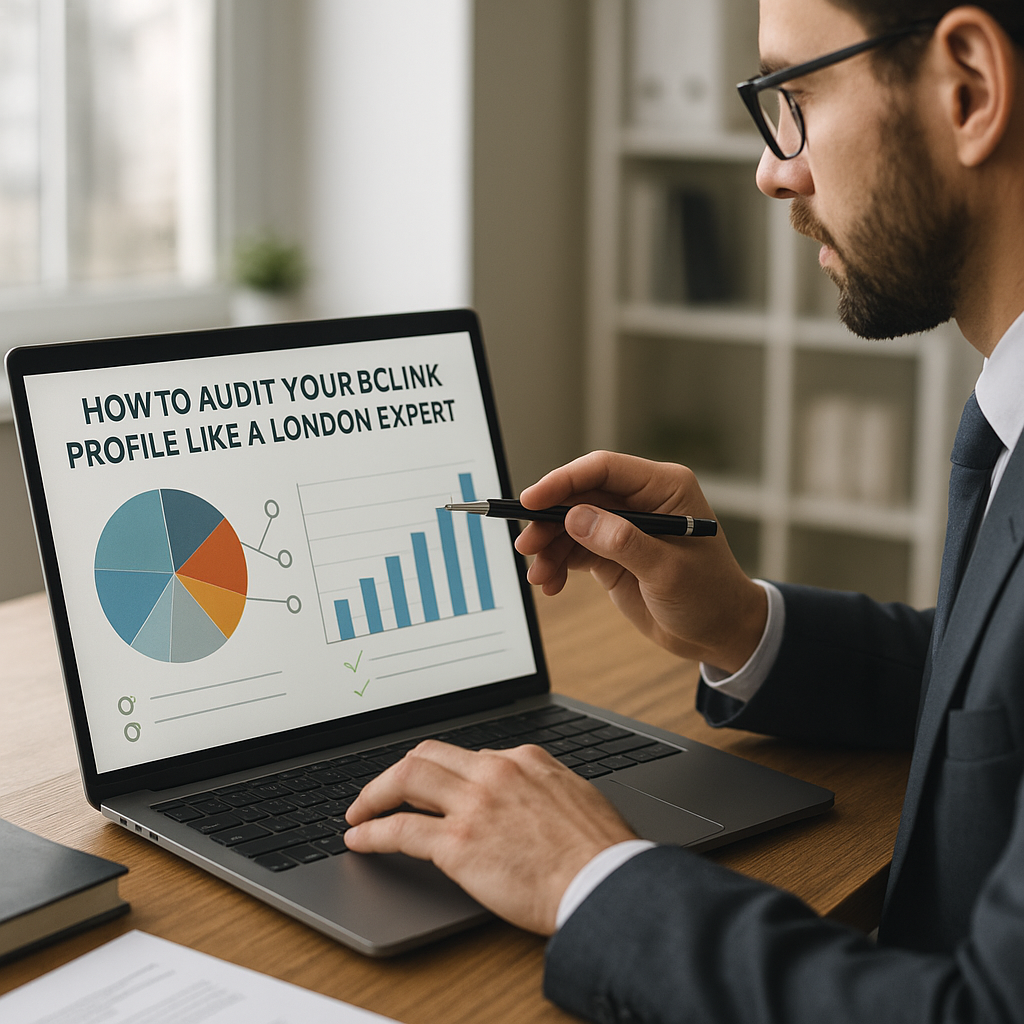
Regularly audit your site with tools like Google Search Console and Lighthouse to identify crawl errors, broken links, and performance bottlenecks. Resolving these issues promptly ensures that both search engines and users have a seamless experience, increasing the likelihood of higher rankings and more conversions.
Measuring Success and Continuous Improvement
No optimization strategy is complete without tracking key performance indicators (KPIs). Essential metrics include:
- Organic traffic growth from targeted keywords
- Click-through rates (CTR) on search engine results pages
- Conversion rates—form submissions, phone calls, and booking requests
- Local pack impressions and map views
Set up monthly or quarterly reviews to assess progress and identify emerging opportunities. For instance, if you notice a surge in searches for “eco-friendly event spaces,” consider adding a dedicated section on sustainable planning services to capture that demand.
Engaging Your Audience Beyond Search
While SEO drives organic visibility, integrating complementary channels amplifies results. Examples include:
- Social media campaigns showcasing behind-the-scenes event setups
- Email newsletters featuring exclusive offers and industry insights
- Paid advertising targeting location and interest-based audiences
By maintaining a cohesive brand voice across all touchpoints, you nurture trust and foster long-term relationships. Ultimately, a well-rounded digital strategy ensures your venues and event planners remain top-of-mind for clients searching across multiple platforms in London.