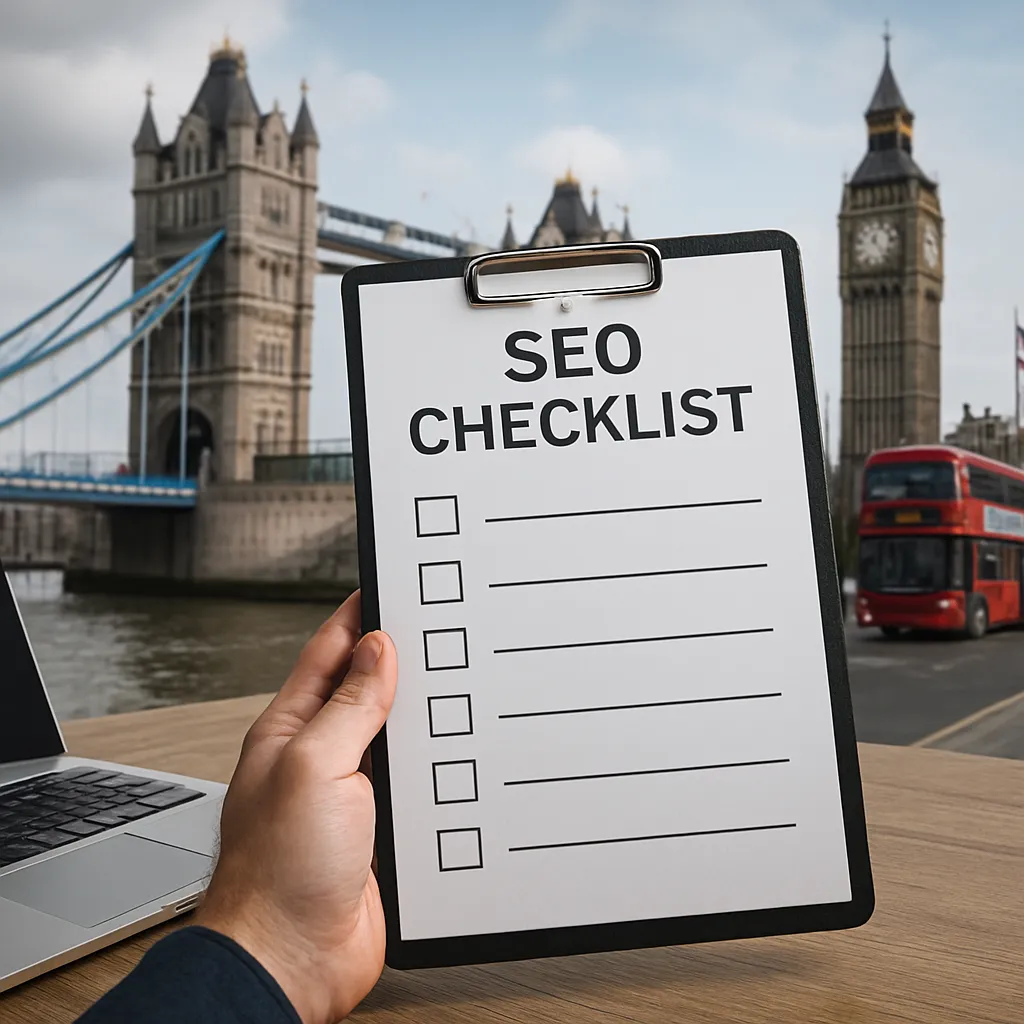
Navigating the digital landscape of London presents unique opportunities for small enterprises aiming to boost their online presence. Implementing a thorough SEO strategy tailored to local dynamics can significantly improve visibility, drive targeted traffic, and foster sustainable growth. This checklist breaks down essential steps to elevate your small business website within London’s competitive environment.
Understanding the London Search Landscape
Before optimizing, it’s vital to grasp the characteristics of the London market. With millions of residents, visitors, and commuters seeking services daily, effective local search optimization can place your business at the top of relevant queries. Factors to consider include:
- Demographic diversity: Londoners speak multiple languages and have varied preferences.
- High competition: Every industry from hospitality to finance has strong web presences.
- Mobile dominance: Over half of searches originate from smartphones on the move.
Key Benefits of Local SEO Focus
- Enhanced visibility for “near me” searches
- Higher conversion rates from qualified leads
- Improved brand authority within specific boroughs
Keyword Research & Local Optimization
Effective keyword research is the backbone of any London SEO campaign. Targeting the right terms ensures you attract customers actively seeking your products or services.
Selecting High-Value Keywords
- Use tools like Google Keyword Planner, Ahrefs, or SEMrush to identify search volume and competition.
- Combine generic terms (“coffee shop London”) with hyper-local modifiers (“Camden coffee shop”).
- Prioritise long-tail keywords that reflect user intent (“affordable web design for small businesses in Shoreditch”).
Mapping Keywords to Pages
- Home Page: Target primary brand terms and broad services.
- Service/Product Pages: Focus on niche offerings with location qualifiers.
- Blog Posts: Develop content around trending questions or issues faced by Londoners.
Optimising Google My Business
Claiming and refining your Google My Business listing is a high-impact move:
- Ensure your NAP (Name, Address, Phone) details are consistent.
- Regularly add photos, posts, and special offers.
- Encourage clients to leave reviews, and respond to all feedback promptly.
On-Page SEO Best Practices
On-page elements shape how search engines understand and rank your content. Attention to detail here can yield substantial improvements.
Title Tags & Meta Descriptions
- Craft unique title tags incorporating one primary keyword and “London” or your borough.
- Write persuasive meta descriptions (130–160 characters) highlighting key services and a call to action.
Header Tags & Content Structure
- Use hierarchical headings:
for main sections,
for subsections.
- Ensure each page has at least one H2 tag reflecting its main topic.
- Maintain a logical flow with short paragraphs and bullet lists for readability.
Image Optimisation
- Compress images to improve page speed without quality loss (use WebP or compressed JPEGs).
- Add descriptive ALT text featuring relevant keywords.
- Include structured data for products or local business schema where applicable.
Mobile-Friendly Design
Given London’s on-the-go audience, a mobile-friendly site is mandatory:
- Implement responsive layouts testing on multiple devices.
- Use Google’s Mobile-Friendly Test to detect and fix issues.
- Prioritise quick-loading CSS and avoid heavy scripts.
Off-Page SEO & Authority Building
Off-page strategies foster your site’s reputation across the web. Quality backlinks and community engagement amplify trust signals to search engines.
Local Citations & Directories
- Submit to reputable London-specific directories (Time Out London, LondonTown, etc.).
- Maintain NAP consistency across all listings.
- Monitor citation accuracy with tools like Moz Local or Yext.
Outreach & Partnerships
- Collaborate with local bloggers, news outlets, and influencers.
- Offer guest posts or expert commentary on London-centric platforms.
- Engage in community events and solicit coverage for press releases.
Review Management
- Encourage positive reviews on Google, Yelp, and industry-specific sites.
- Address negative feedback professionally and offer resolutions.
- Highlight testimonials on your website with schema markup.
Performance Tracking & Continuous Improvement
Success in SEO hinges on regular monitoring and iterative optimization. Leveraging the right tools ensures you stay ahead in London’s dynamic market.
Essential Analytics Tools
- Google Analytics: Track traffic sources, user behaviour, and conversion rates.
- Google Search Console: Monitor indexing status, search queries, and mobile usability.
- Rank-tracking software (SERPWatcher, AccuRanker) to follow keyword performance.
Key Metrics to Monitor
- Organic Traffic Growth: Overall and by landing page.
- Keyword Rankings: Especially for primary and local modifiers.
- Bounce Rate & Session Duration: Indicates content relevance and UX quality.
- Conversion Rate: Leads, calls, or online bookings generated from organic users.
Ongoing Optimisation Strategies
- Conduct quarterly content audits, updating outdated information.
- Identify and fix broken links or 404 errors promptly.
- Test new page elements (Headings, CTAs) with A/B experiments.
Applying this comprehensive checklist positions your small business for success in London’s competitive search environment. By combining strategic keyword targeting, meticulous on-page refinement, robust off-page efforts, and data-driven monitoring, you’ll build a resilient SEO foundation that drives growth and cements your local authority.