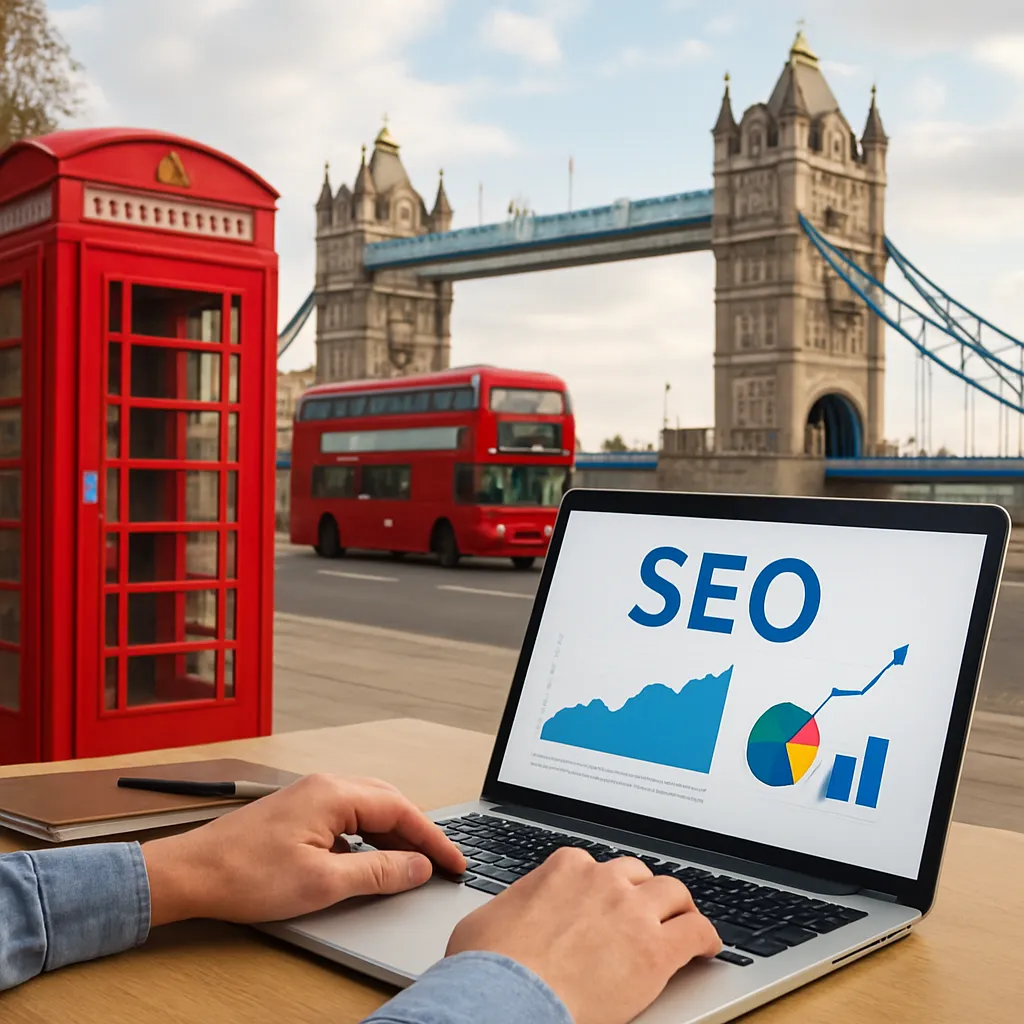
Interior designers in London face unique challenges when trying to stand out in a competitive market. A dedicated London SEO expert can help unlock sustainable growth by implementing strategic approaches tailored for the industry. This article dives into actionable techniques that interior design firms can adopt to improve their online visibility, boost organic traffic, and ultimately attract more high-value clients.
Keyword Research and Audience Understanding
Effective SEO begins with thorough keyword research and a deep understanding of your target audience. London-based interior designers must identify search terms that prospective clients use when seeking services such as luxury fittings, home makeovers, or commercial refurbishment.
- Use local modifiers: Incorporate “London”, “West London”, or “Chelsea” alongside primary keywords to capture geographically relevant searches. For example, “residential interior design London”.
- Analyze competitor keywords: Tools like SEMrush or Ahrefs reveal which keywords rival design firms rank for and which pages drive their organic traffic.
- Long-tail variations: Target specific search intents with phrases such as “eco-friendly kitchen remodel in London” or “boutique hotel interior designer near me”. These phrases often convert better and face less competition.
- Search intent mapping: Distinguish between informational, navigational, and transactional queries. Create separate content to address each stage of the buyer journey—from inspirational blog posts to service pages and detailed case studies.
On-Page Optimization for Maximum Visibility
On-page optimization ensures every page of your website is fine-tuned to rank well and provide value to visitors. Attention to detail in these areas will directly impact your Google visibility.
Page Titles and Meta Descriptions
- Craft concise, descriptive titles under 60 characters, incorporating primary keywords and “London” where relevant.
- Write compelling meta descriptions (up to 160 characters) that include a clear call-to-action and secondary keywords, encouraging users to click through.
URL Structure and Heading Hierarchy
- Maintain clean URLs: e.g., /commercial-interior-design-london/ rather than long, parameter-filled links.
- Use a logical heading hierarchy (h2 and h3) to break content into digestible sections, each focusing on a specific subtopic or service.
Image Optimization
- Compress images without quality loss to improve page load speed, a critical factor for mobile users.
- Include descriptive alt text containing keywords like “luxury bathroom design in Chelsea” to boost accessibility and topical relevance.
Creating Engaging and Valuable Content
High-quality content differentiates top-tier interior design agencies from less visible competitors. Focus on producing resources that resonate with potential clients and showcase your expertise.
- Design inspiration galleries: Present curated photo collections of completed projects with clear captions and insights into your creative process.
- How-to guides and trends articles: Educate readers on emerging materials, color palettes, or space optimization techniques with step-by-step instructions.
- Case studies: Highlight successful collaborations by detailing client objectives, challenges, solutions implemented, and measurable outcomes.
- Video walkthroughs: Offer virtual tours of striking interiors or time-lapse transformations to engage visual learners and boost on-page dwell time.
- Interactive tools: Consider space planners or style quizzes to captivate visitors and gather valuable user data for follow-up marketing.
Local SEO Tactics for London-Based Design Firms
For interior designers targeting London’s diverse neighborhoods, local SEO is indispensable. A robust local presence drives foot traffic to showrooms and fosters trust among community members.
- Google Business Profile: Claim and optimize your listing with accurate contact details, high-quality images, and regular posts about new projects or offers.
- Citations and directory listings: Ensure consistent NAP (Name, Address, Phone) across design directories like Houzz, Yelp, and local business associations.
- Local reviews: Encourage delighted clients to leave positive feedback on Google, Trustpilot, or specialized design platforms to boost social proof.
- Schema markup: Implement LocalBusiness and Service schema to help search engines understand your offerings and geographical relevance.
- Hyperlocal content: Write blog posts about trends in specific London boroughs—e.g., “Maximizing space in a Camden flat” or “Westminster townhouse renovation tips.”
Link Building and Authority Growth
Gaining high-quality backlinks is crucial for improving domain authority and securing top positions in search engine results. However, quality always beats quantity.
- Guest contributions: Write insightful articles for architecture, design, and home improvement blogs, including contextual links to your site.
- Local partnerships: Collaborate with London-based artisans, furniture makers, or property developers who can link back to your portfolio.
- Digital PR: Pitch unique design trends or data-driven insights (e.g., “Top color schemes in London homes 2024”) to lifestyle publications for authoritative coverage.
- Resource pages: Identify “best of” lists or resource compilations in the design niche and propose your projects as valuable additions.
- Broken link outreach: Find broken links on relevant websites and suggest your project pages as suitable replacements.
Technical SEO Best Practices
Robust technical infrastructure underpins a successful SEO strategy. Addressing technical issues ensures search engines can efficiently crawl, index, and rank your site.
- Site speed optimization: Leverage tools like Google PageSpeed Insights to monitor performance and implement lazy loading, browser caching, and file minification.
- Mobile-first design: With a majority of searches happening on smartphones, your site must be fully responsive and easy to navigate on smaller screens.
- XML sitemap and robots.txt: Keep your sitemap updated and ensure robots.txt doesn’t block important pages from being crawled.
- HTTPS security: A secure connection is a ranking factor and builds trust with potential clients browsing your portfolio.
- Structured data: Use JSON-LD for projects, reviews, and events to enable rich snippets and enhance SERP visibility.
Monitoring Performance with Analytics
Ongoing measurement and analysis allow you to refine tactics and allocate resources effectively. Integrate tools like Google Analytics, Search Console, and heatmapping software to gain actionable insights into user behavior and traffic sources.
- Conversion tracking: Set up goals for contact form submissions, brochure downloads, or newsletter sign-ups to quantify lead generation.
- Behavior flow analysis: Understand which pages engage visitors most and identify potential drop-off points.
- Keyword ranking reports: Monitor changes in ranking positions for target terms and adjust your strategy accordingly.
- Backlink audits: Regularly review your link profile to disavow spammy links and strengthen your ranking potential.