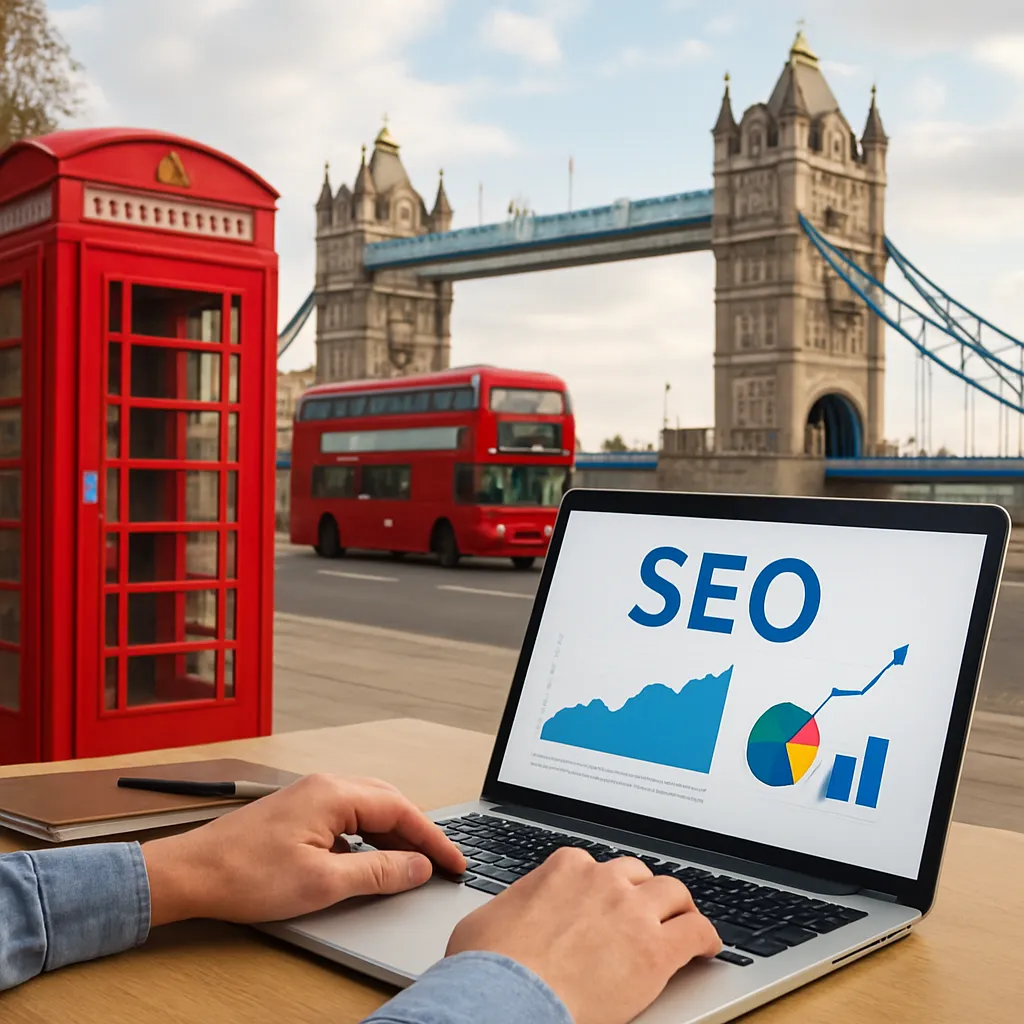
Building an SEO-focused blog for a London brand requires a combination of local insight, technical expertise, and creative content. By aligning your strategy with the unique aspects of the London market, you can drive meaningful traffic, boost brand awareness, and generate qualified leads from potential customers across the capital.
Strategic Planning for a London Audience
Before you start publishing posts, it’s essential to define your blog’s purpose and position it within London’s competitive digital landscape. Mapping out a clear editorial calendar, target personas, and performance metrics will set the foundation for sustainable growth.
Understanding Local Buyer Personas
London is a melting pot of cultures, professions, and interests. Identify the demographic characteristics—age, occupation, interests—of your ideal audience segments. Use surveys, social media polls, and web analytics to uncover their pain points and preferences. Tailor your messaging to reflect local nuances, such as neighbourhood-specific events or regionally popular services.
Setting Measurable Goals
Frame your objectives around key performance indicators (KPIs) like organic search rankings, monthly unique visitors, time on page, and conversion rate. Implement a robust analytics platform to track progress and inform adjustments. By focusing on measurable goals, you ensure every content piece drives a tangible business outcome.
Keyword Research and Optimization
Effective keyword research for a London brand goes beyond generic search terms. It requires honing in on local intent and competitive gaps. Using advanced tools and manual SERP analysis, you can uncover opportunities to rank at the top of search results for location-based queries.
Tools and Methodologies
- Google Keyword Planner: Refine seed keywords with London-specific modifiers such as “near me,” “in London,” or local borough names.
- Competitor Analysis: Scrutinize high-ranking blogs within your niche. Identify patterns in keyword usage, content structure, and backlink profiles.
- Long-Tail Keywords: Capture highly targeted traffic by focusing on low-volume, high-intent phrases. For example, “best vegan restaurants in Shoreditch” rather than “vegan restaurants”.
On-Page Optimization Best Practices
Once you’ve identified your target terms, integrate them naturally into titles, meta descriptions, headers, and body copy. Maintain a clear hierarchy with
and
tags. Remember to optimize image file names, alt attributes, and URLs to reinforce your target keyword theme.
Crafting High-Quality, Engaging Content
Crafting High-Quality, Engaging Content
Your blog posts should establish your brand as an authoritative voice in London’s marketplace. Focus on creating content that educates, entertains, and addresses real-world challenges faced by your target audience.
Storytelling with a Local Twist
Use storytelling techniques to weave in authentic London experiences. Include case studies, interviews with local experts, and analyses of city-specific trends. This approach helps you build a deeper connection with readers and differentiate your brand from generic, broad-focused blogs.
Multimedia and Interactive Features
- Infographics: Illustrate complex data, such as footfall statistics in central London boroughs, in a visually appealing format.
- Videos: Create short tours of your physical location or interviews with team members to give a human touch.
- Interactive Maps: Embed maps highlighting service areas or points of interest around your business to enhance user engagement.
Technical SEO and Performance
An optimized backend is crucial for ensuring search engines can easily crawl and index your content. Technical improvements also directly impact user experience, which in turn influences your search rankings.
Site Structure and Internal Linking
Design a clear, shallow site architecture so users and bots can navigate efficiently. Implement a logical URL structure and interlink related posts to distribute authority across key pages. This improves both discoverability and the overall user journey.
Page Speed and Mobile Responsiveness
- Accelerated Mobile Pages (AMP): Consider using AMP to deliver ultra-fast mobile experiences.
- Image Compression: Utilize next-gen formats like WebP and leverage lazy loading to minimize load times.
- CDN Integration: Distribute content via a Content Delivery Network to reduce latency for visitors across different London boroughs.
Promotion, Backlinks, and Brand Partnerships
Content alone won’t drive rankings; you need to promote it strategically. Building a strong backlink profile and forming collaborations with fellow London businesses can amplify your reach and authority.
Outreach and Relationship Building
Engage with local influencers, industry associations, and community groups. Offer guest posts and resource collaborations to earn high-quality backlinks. Personalized outreach and mutual value propositions are key to securing these partnerships.
Leveraging Social Media and Local Forums
- LinkedIn Groups: Share thought leadership posts with professional networks in London-based business communities.
- Facebook and Meetup: Promote relevant blog content in hyper-local interest groups and event pages.
- Local Directories and Reviews: List your blog or website on popular directories like Time Out London, Londonist, or local Chamber of Commerce platforms.
Monitoring, Analysis, and Continuous Improvement
An effective London SEO strategy requires ongoing measurement and optimization. Set up regular reporting cadences to review performance against your initial KPIs and adapt your tactics based on the data.
Key Metrics to Track
- Organic Traffic Growth: Monitor month-over-month changes in unique visitors.
- Keyword Rankings: Track movement for your primary London-focused search terms.
- Engagement Metrics: Analyze bounce rate, session duration, and pages per session to ensure content relevance.
- Conversion Rate: Measure the percentage of readers who take desired actions, such as subscribing or making an inquiry.
Iterative Content Updates
Regularly audit existing blog posts to identify stale statistics or outdated information. Refresh content with new data, updated visuals, and additional insights to maintain relevance and boost search performance over time.
By following these steps and maintaining a relentless focus on both local relevance and technical excellence, your London brand’s blog can become an authoritative resource that drives sustained organic growth and meaningful engagement.